Imagine renovating a historic manor. You might choose contemporary lighting and fresh paint, but if you remove a load-bearing wall without a structural plan, the roof will collapse. This is the exact risk businesses face during a website revamp. Companies often hire designers to paint the walls before an architect has poured the foundation. Technical SEO Architecture is the structural engineering that aligns your business goals with search engine capabilities. It is the blueprint that defines your digital entity before a single line of code is written.

What is Technical SEO Architecture?
Technical SEO architecture is a hierarchical system that organises website data to maximise crawlability, indexation, and user experience. It functions as the primary map for search engine bots. Without this logical skeleton, Google cannot understand the relationship between your pages or the value of your content.
However, in a revamp scenario, architecture extends beyond simple organisation. It becomes an engineering standard. True architecture addresses latency, rendering paths, and data integrity. A beautiful taxonomy is useless if the server response time (TTFB) is too slow or if the JavaScript fails to render the links.
Why is Architecture Critical for AI Search (SGE)?
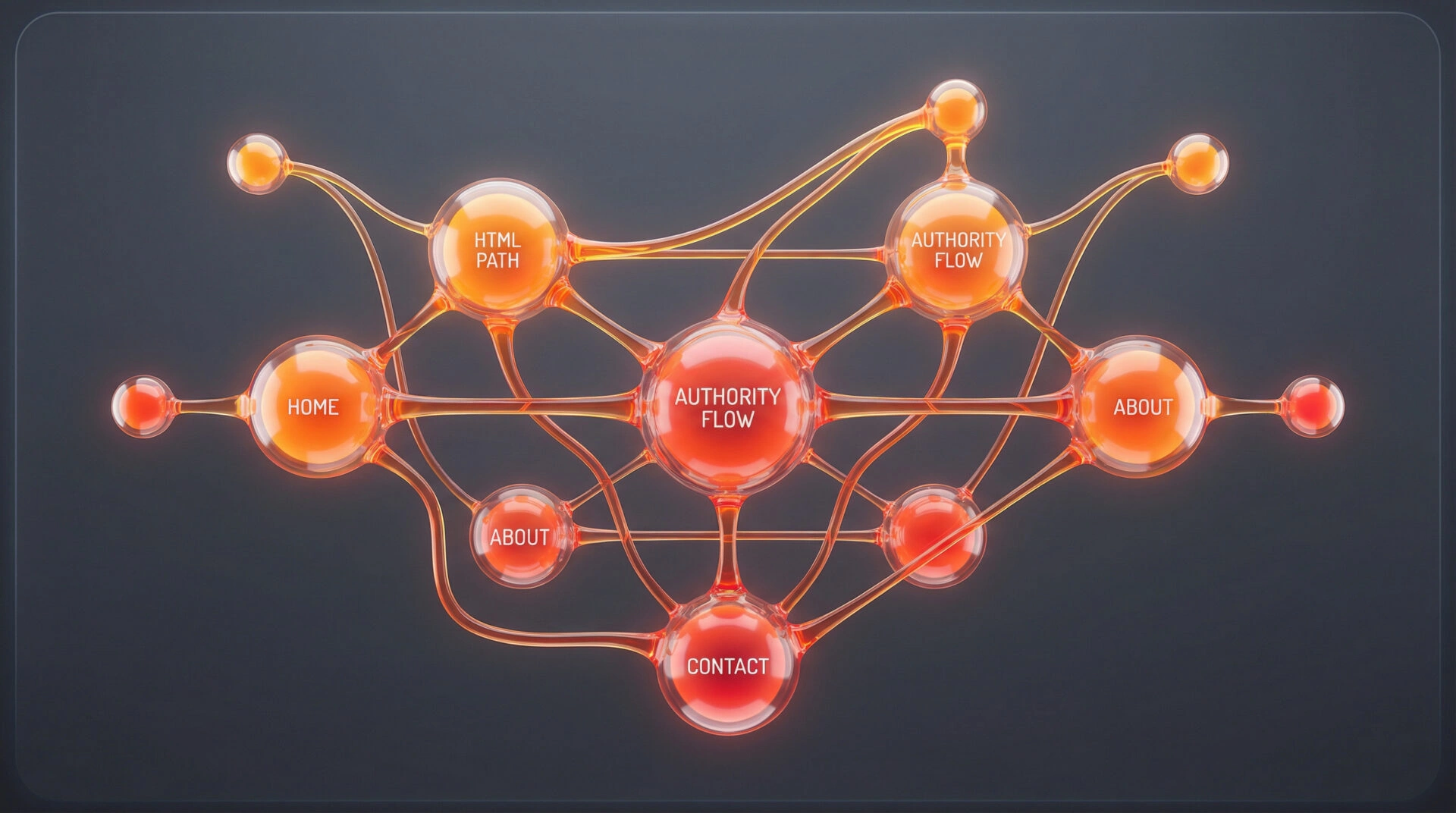
AI search engines rely on clear semantic relationships to verify facts and generate accurate answers. Search Generative Experience (SGE) uses your site taxonomy to determine the reliability of your entity during a transition. If your revamp results in a messy structure, AI models like Gemini cannot connect your “Entity” (your brand) to its “Attributes” (your expertise).
A clear taxonomy tells the machine exactly what has changed and why. It provides the confidence score required for the algorithm to continue citing you as a trusted source in an AI Overview. Maybe you think a new design is enough to impress? Probably not. AI prioritises data clarity over aesthetic beauty every time.
The Core Components of Revamp Infrastructure
1. Logical Taxonomy & Native Routing (The Structure)
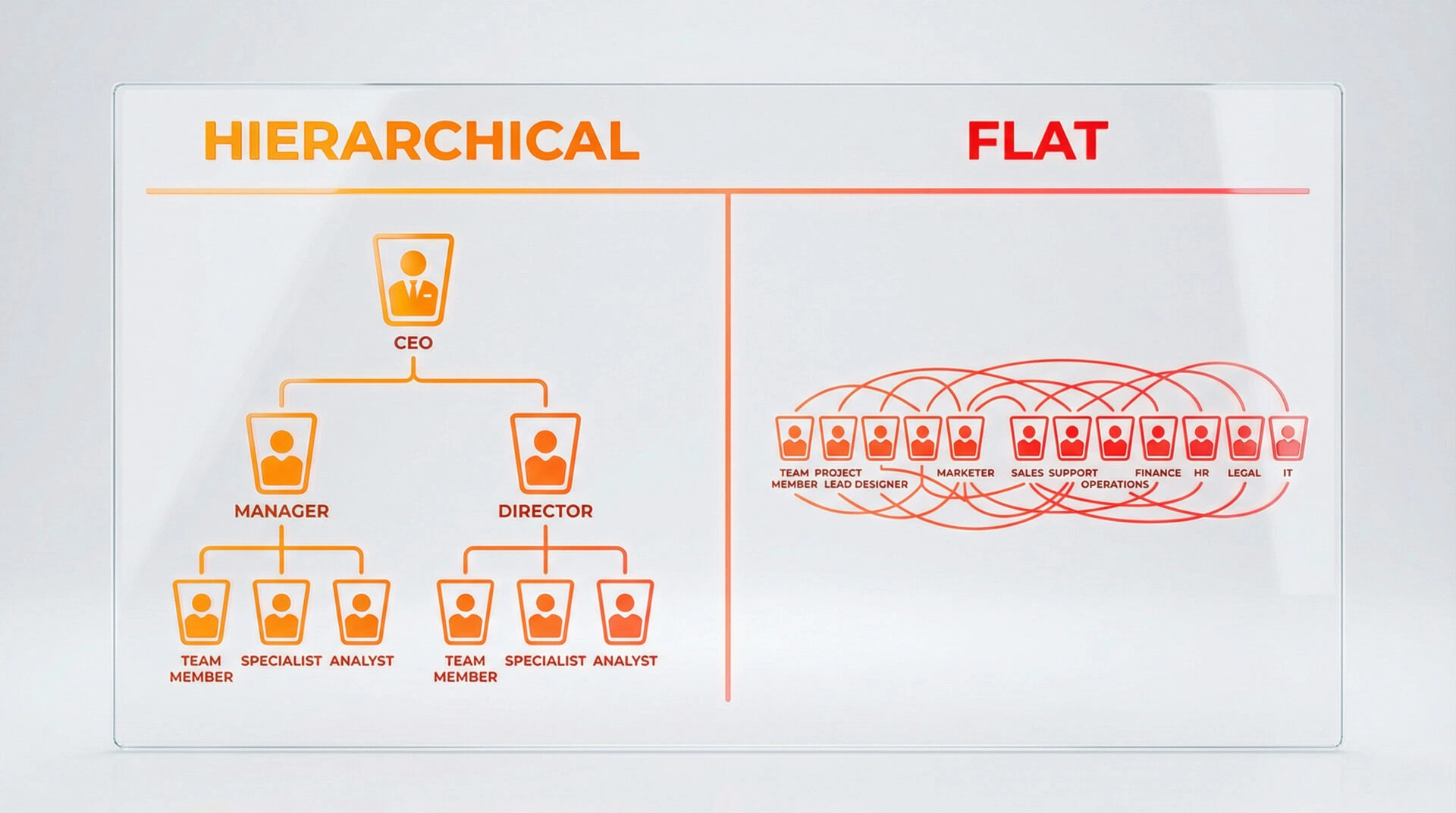
Taxonomy is the classification scheme that groups related content into parent-child directories. Think of it like a library. You would not put a cookbook in the gardening section just because the cover is green. Similarly, every URL must live in a logical home that describes what it is.
The Engineering Constraint: Taxonomy must be handled by Native Routing, not edge middleware. Relying on “Edge SEO” (Cloudflare Workers) to rewrite URLs adds a “Middleware Tax” to every request.
- The Rule: Your backend must resolve the URL structure natively with zero latency.
- The Revamp Risk: If you rely on JavaScript to route users, you create a “Ghost Codebase” that is hard to debug and slower to load.
2. Internal Linking & Graph Theory (The Neural Network)

Internal linking is the strategic connection of pages that distributes ranking power throughout a domain. Links are the nerves of your website. They carry signals from high-authority pages to new or deeper content. A strategic architect uses links to define relationships, not just to help users navigate.
The Engineering Constraint: During a revamp, you must map these connections to ensure your most profitable pages do not lose their strength.
- The Rule: Ensure your navigation is rendered in the raw HTML, not injected via client-side JavaScript.
- The Revamp Risk: If the links are only visible after “Hydration” (JS execution), Googlebot may miss the path to your new content entirely.
3. Crawl Depth & Discovery Velocity (The Efficiency Metric)
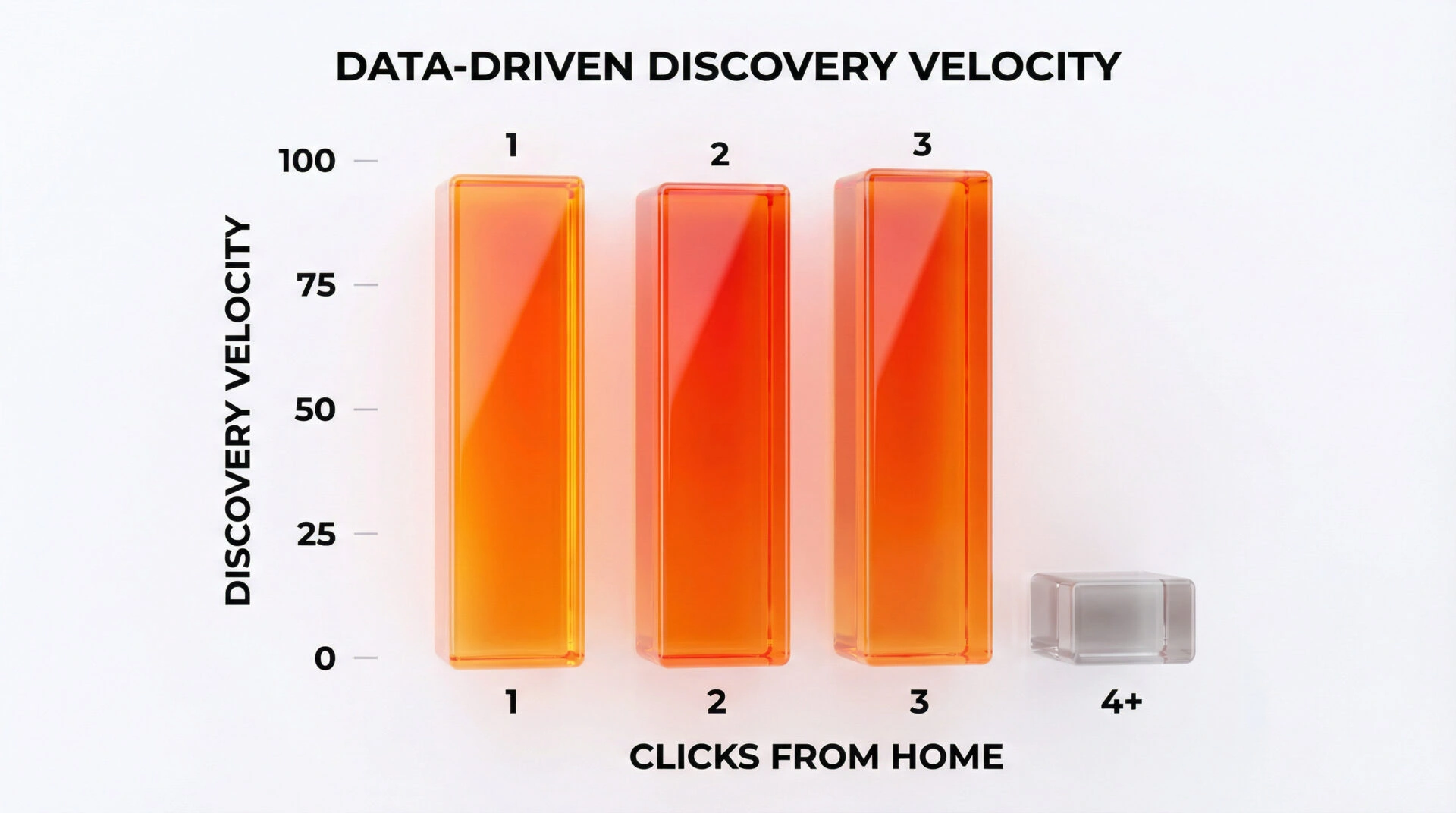
Crawl depth is the number of clicks required to reach a specific page from the homepage. Search engines have limited resources. If a page is buried five clicks deep, Google assumes it is unimportant. A flattened architecture ensures that no critical page is more than three clicks away from the root.
The Engineering Constraint: Shift the focus from “Crawl Budget” to Discovery Velocity.
- The Rule: Implement a Stale-While-Revalidate caching strategy. Serve cached content instantly while fetching fresh data in the background.
- The Revamp Risk: Aggressive caching can lead to users seeing old prices or data, while zero caching kills your Core Web Vitals. Balance is key.
Common Revamp Failures to Avoid
The “Flat” Architecture Trap
Flat architecture creates a disorganised site where every page sits at the root level without hierarchy. Flat architecture lacks the semantic layers needed to tell Google which pages are the most important after a migration. Unstructured root-level pages confuse search engines because they lack contextual hierarchy.
If everything is a priority, nothing is a priority. Flat architecture prevents development teams from building the “topic clusters” essential for ranking in competitive niches. A website without hierarchy resembles a 500-page book missing a table of contents.
The “Orphan Page” Dead End
Orphan pages are URLs that exist on the server but have no internal links pointing to them. Orphan pages occur when a revamp forgets to include old, high-performing content in the new navigation. These pages become invisible islands.
Because no other page links to them, authority cannot flow into them, and crawlers rarely find them. Orphan pages waste server space and often lead to content that never ranks again. Is there anything more painful than losing a top-ranking page because someone forgot to link to it?
When Should You Hire a Technical SEO Architect?
You must engage an architect during the wireframing phase, long before any design or coding begins. A Technical SEO Architect ensures the blueprint is search-ready before a developer touches the staging site. Fixing architecture after a revamp is live is expensive and often too late.
Structural changes post-launch require complex redirection chains that can dilute your ranking power. The correct time to plan the foundation is while the old site is still running. If you are mid-revamp and haven’t mapped your entities, the time to act is now.
Build Your Digital Entity with Purpose
A website revamp is the most dangerous moment for your SEO, but it is also your greatest opportunity. A website is not just a marketing brochure; it is a complex software application that must communicate with sophisticated algorithms. Aesthetics capture human attention, but architecture secures the traffic. Do not let a beautiful new look hide a broken structure.
Ready to protect your rankings? Contact Ulement today for a Technical Architecture Audit. We will map your blueprint before you revamp, ensuring your new site is an engine for growth, not a liability.