The way people search for medical practices is changing. A big reason for this is machine learning. When people are in need of general practice care or a special medical service, they no longer just get a long list of blue links. Google now gives AI Overviews. These are short, smart answers that tell them what they need right away. Most people find what they want before they even visit a website.
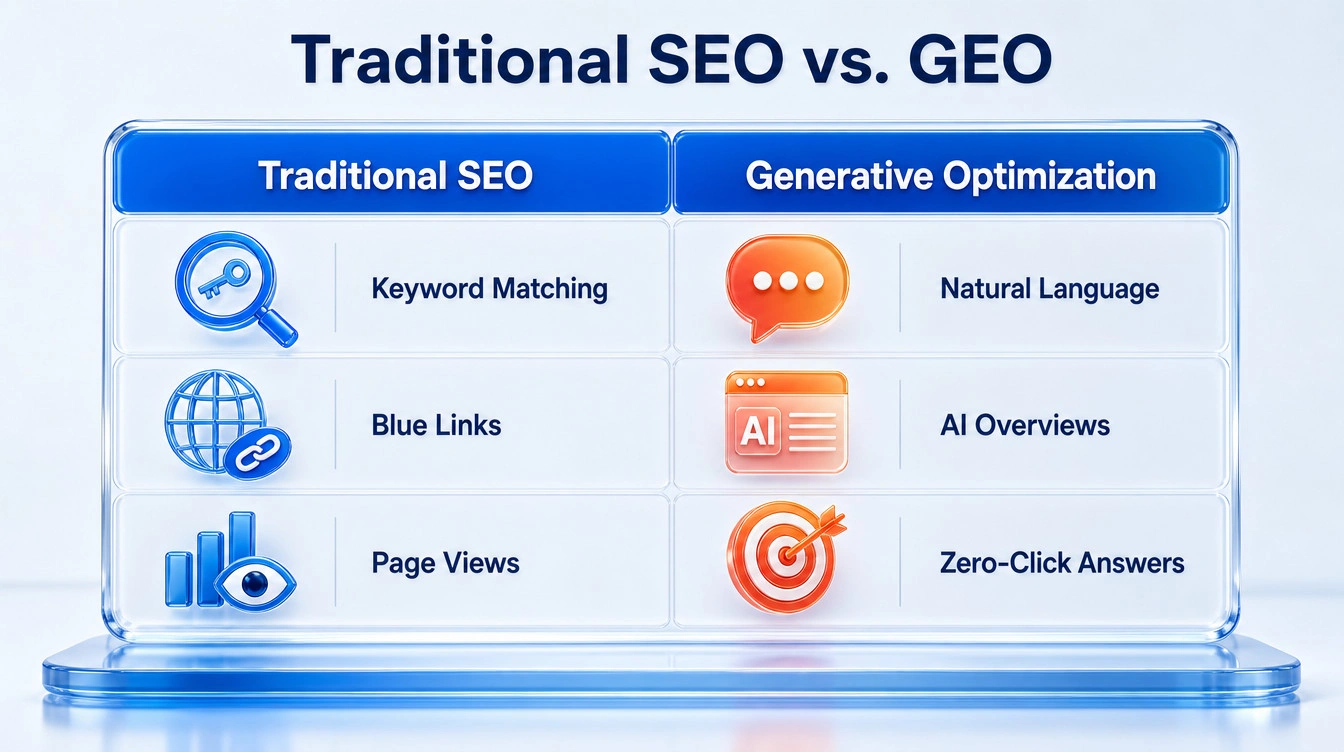
If you want your clinic to be seen in 2026 and beyond, the old ways do not work now. Using too many keywords is not a good idea anymore. You should go for generative engine optimisation (GEO) and follow best practices.
In our guide to Mastering Healthcare SEO, we said that getting new patients now is about getting your clinic’s information ready for artificial intelligence. You need to do this to reach more people using generative search and the searches where they do not click anything. If you set up your clinic website the right way, you can get in front of more people who want help and show up at the top of results.
Key Takeaways
- Entity Verification: AI models need to read true proof of your medical authority (E-E-A-T). Link your doctors’ credentials to national groups like the MMC. This helps build real trust with both people and machines through generative search and brand mentions.
- The AI Shift: Generative search now gives answers to patients’ questions right at the top. A clinic needs to give its data in a way that large language models (LLMs) can read it. This is not the same as setting data up just for normal search engines.
- Direct AI Ingestion: Write content in the “inverted pyramid” style. Use bullet points and tables. This helps ai engines find your clinical data fast. You also get brand mentions from other trusted sources if you do this.
- Conversational Targeting: Most people talk or ask full questions in AI search. Make your content answer real and long questions that you find in Q&A sections. For example: “Where is the nearest walk-in clinic for a fever?”
- Technical Translation: Use strict
FAQPage,MedicalClinic, andMedicalConditionschema markup. This lets generative search read your website well.
What is Generative Engine Optimisation (GEO) in Healthcare SEO?
Generative Engine Optimisation is about making your website content easy for big language models to read. These include the AI that powers Google’s AI Overviews. When you use generative engine optimisation well, this system can look at your page and may choose your clinic as the best place for answers to medical user queries. It helps you get picked when people use user queries to find the info they need in the right way.
Unlike traditional search engines that simply match keywords to web pages, generative AI reads the information from many good sources to create answers in a way that feels more natural. This is not what you get from traditional search engines. If your clinic’s online presence does not have clear or easy-to-read information, or if you do not show that people can trust you, the generative AI will skip your site. It will pick a different clinic or a big health site instead.
To answer questions from patients during the ai overview stage, your content must be easy for computers to read. Make sure it’s ready right away.
Steps to Start Optimising for AI Overviews in Healthcare
To do well with AI Overviews in healthcare, you need a clear plan. This plan helps you deal with the special details of generative search. Here are 4 easy steps:
1. Structure Clinical Data for Direct AI Ingestion
AI models work well when they get clear and simple details. Let’s say someone writes, “walk-in clinic for sudden high fever Bayan Lepas.” The AI looks for direct answers and easy facts here. It does not want long lines or text that is hard to read.
- Semantic Silos: Put your services in clear groups on your site. This helps your share of voice improve. Do not mix different types of care, such as chronic care for things like diabetes, with acute care for things like cuts, on one page. Make a page for each type, so each page is about one topic.
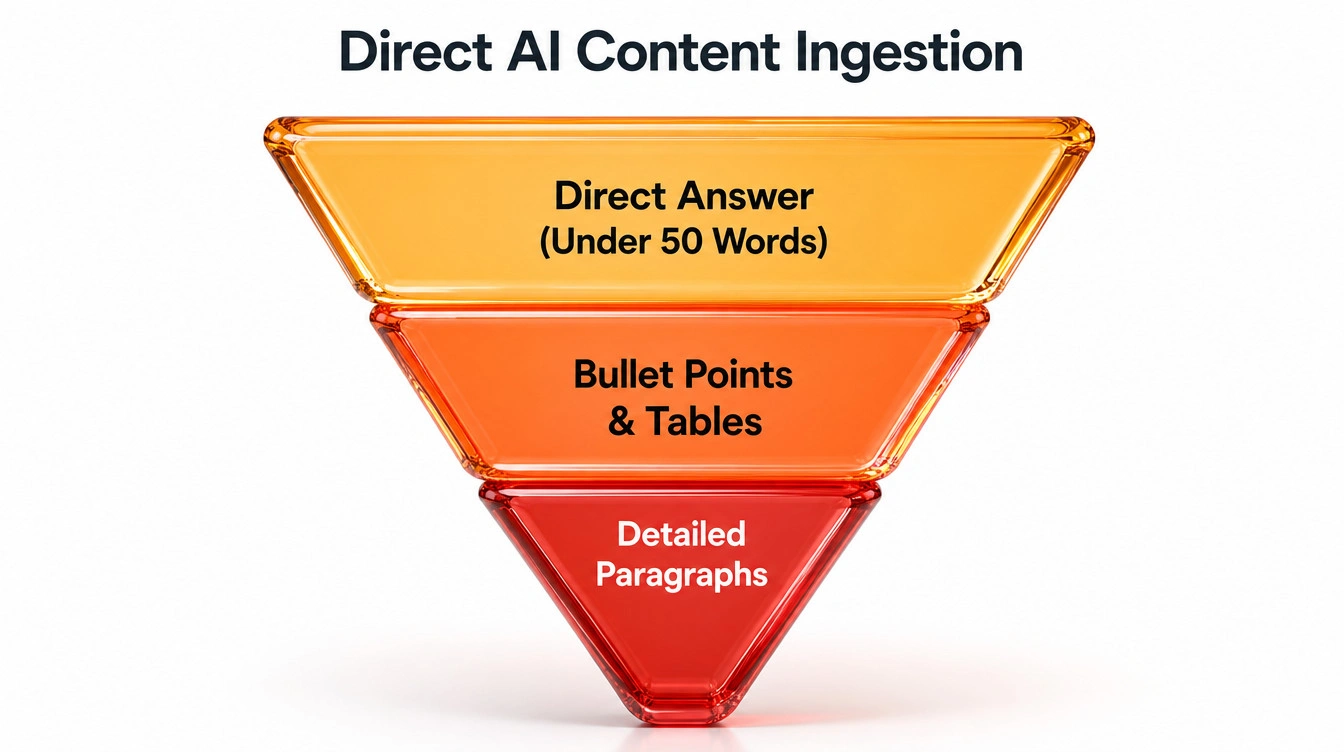
- The ‘Inverted Pyramid’ of Medical Content: Generative ai tools now show healthcare content by putting the main answer first. Start your service page with a short line that tells what the treatment or plan for symptoms is. After that, add details to support the main point.
- Bullet Points and Tables: The practice of structuring content helps generative ai gather data. You should use tables or bullet points to compare plans, show timelines for recovery, or share clinic hours. This makes the facts easy for people to read and use.
Clinical Strategy Tip: Format your medical terminology for natural language processing (NLP), incorporating large language model optimisation techniques. Bridge the gap by pairing the clinical term with the patient’s conversational term (e.g., “Hypertension (High Blood Pressure) Screening”).
2. Deploy Advanced Conversational Query Targeting
Patients now talk to their devices using normal words when they want information about their health. People do not just type in “general practitioner”. A person may say, “Where is the nearest doctor open right now for a child’s earache?” Generative ai engines can now answer more of these kinds of questions. The use of ai engines helps make it better for people to talk in natural language.
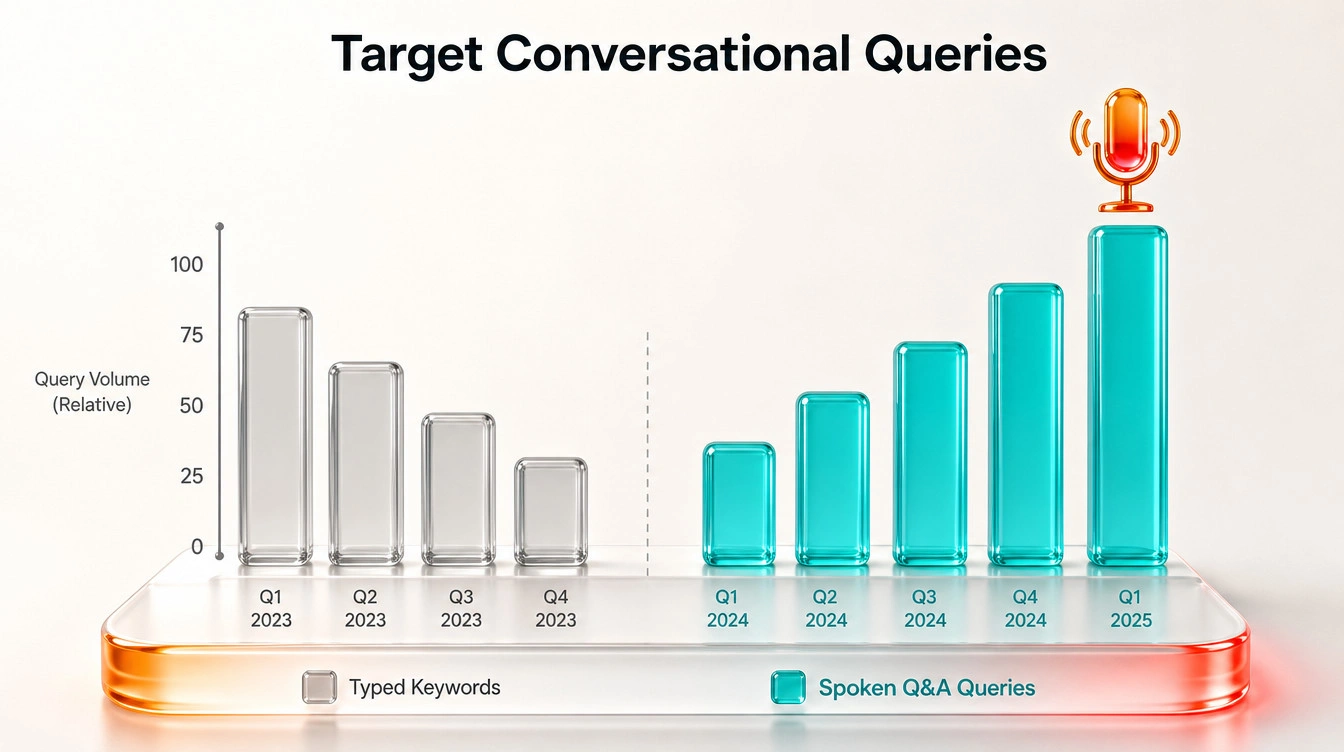
To be at the top of AI Overviews, you should understand long-tail and spoken questions. It is good to answer these questions clearly in your content.
Implement Strategic Q&A Frameworks
Make your regular service pages into powerful question and answer sections. Talk about all the usual questions that patients have. Share the steps you do in the process. Tell people how much it costs.
- What signs of Dengue fever show up first?
- How soon will I get my blood test results at your clinic?
- Do you take PMCare or other company insurance for booking a visit on the same day?
Answer every question right under the heading using less than 50 words. After that, write longer paragraphs to explain it in more detail. This way, it is easy for the AI to find a short text for a featured answer as a snippet.
3. Lock Down FAQ and Medical Schema Markup
Generative AI will not know what your content talks about on its own. You have to show it. Google Gemini and schema markup act like a translator. They can help your website share things in a clear way with the generative ai model.
To get the best AI Overview spots, using only regular local business schema will not be enough. You have to use very detailed healthcare JSON-LD code. This type of code should think about how people act online.
FAQPageSchema: Put the FAQ schema around both your questions and answers. This helps the algorithm know that your page is for answering user questions. When you do this, your page is more likely to be shown if an AI gives a short summary.MedicalConditionandMedicalWebPageSchema: Link your pages about symptoms and treatments to well-known medical databases.MedicalClinicSchema: Give your exact location, let people know if you are open for emergencies, and tell which insurance networks you take.
4. Entity Recognition: Proving E-E-A-T to the Machine
AI models must follow “Your Money or Your Life” (YMYL) rules. If they can’t check a clinic’s real medical power, they will not show it in an ai overview. This is important to make sure there is trustworthy content.
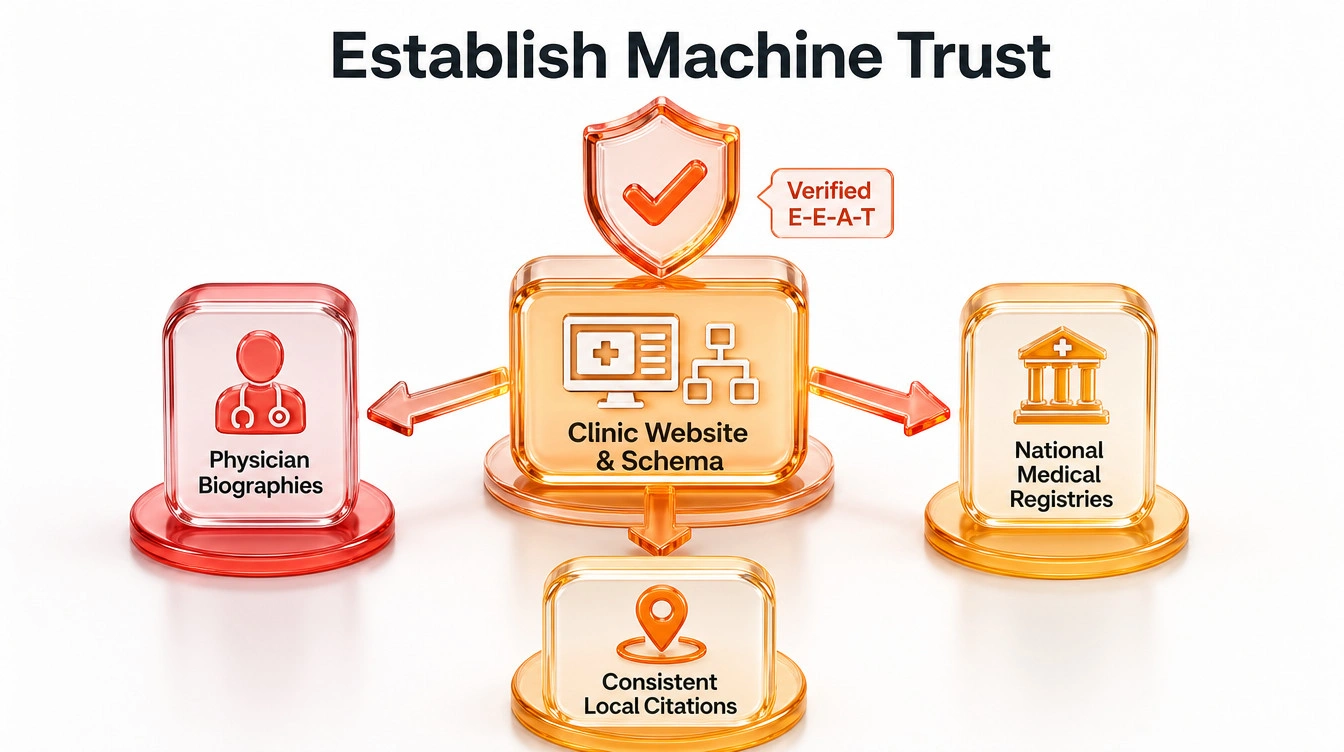
You need to make sure that your clinic and doctors are in the Knowledge Graph as real entries, and that people know about them.
- Physician Biographies: Be sure that every doctor in your practice gets their own page. This page needs to show their qualifications, how many years they have worked, and what their interests are. This is good for content creation.
- Global Database Linking: Share the MMC (Malaysian Medical Council) registration numbers for your doctors. You should also add links to their main profiles on the national medical site, or to where they work at the hospital.
- Citation Uniformity: The AI matches what is on your website with local lists, google business, and with map sites. If your details like your practice name, address, or phone number do not match in every place, this breaks trust. It also may stop your practice from showing up in the big text summaries the AI makes.
The Future of Patient Acquisition is Zero-Click
Generative search can spot what patients ask before they even click to book. If you work with generative search, generative engine optimisation, and good healthcare marketing, and share simple clinical data, your practice can be seen as the trusted choice for AI Overviews. When you show your medical skills and knowledge, you help AI choose your practice. This will bring more patients who need care right to your clinic.
Why Zero Click Searches Matter Specifically in Healthcare
Today, the way we deal with health care is changing because of zero-click searches. These searches are important for clinics. They help clinics get new people and also help those people feel better about their care. When someone has a health problem and looks for help, the person wants answers fast. They do not want to visit many sites. Zero-click searches give answers right away. People see answers from clinics in the search results. This helps clinics feel like a trusted place that gives people what they need quickly.
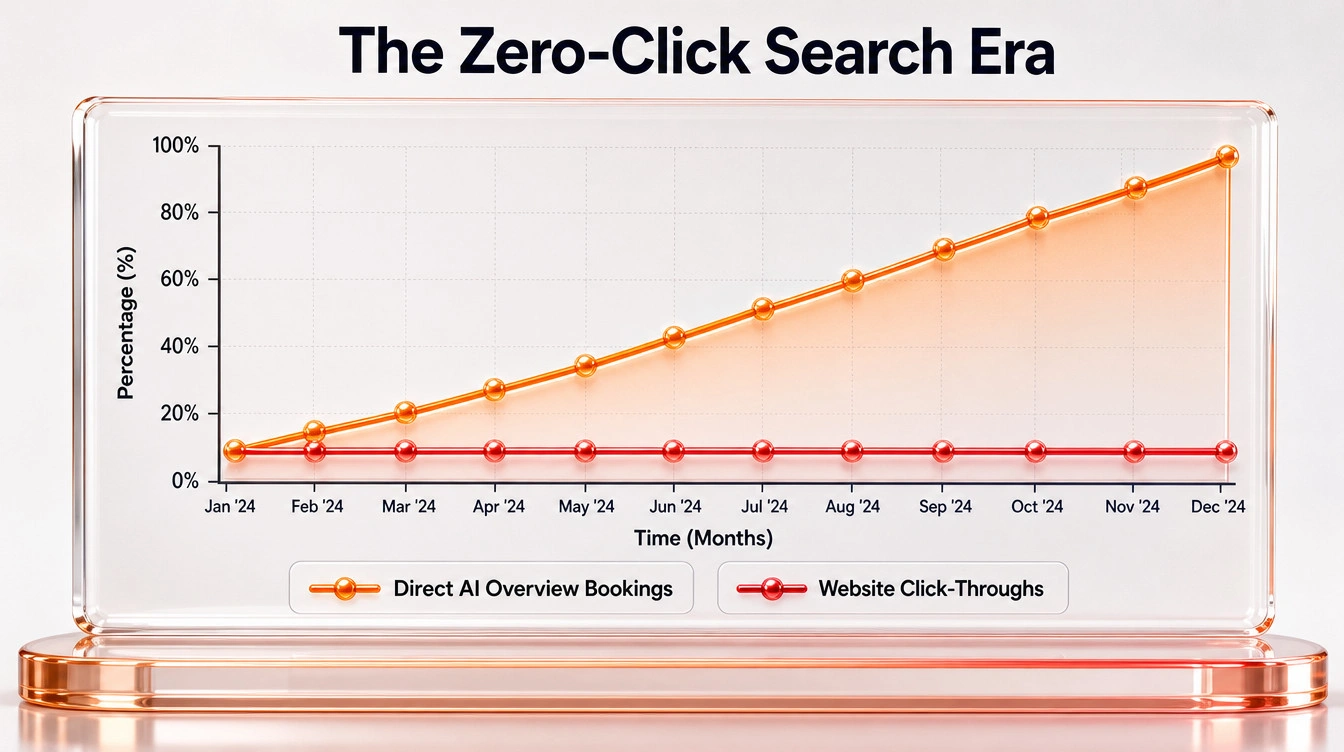
This changes the way you get new patients. If your clinic gets named in an AI Overview as the top place to go, you can get people who want treatment right now. Also, these searches help your clinic show up more online. This makes your reputation strong and helps people trust you in a busy market. So, you need to use a digital strategy that focuses on zero-click search. This will help you stay easy to find for new patients.
Challenges in Measuring Organic SEO Performance Post-GEO
In healthcare SEO, it can be hard to know how good your organic SEO is after doing generative engine optimisation. The way people use the internet is changing fast. Old numbers, like page views or bounce rates, do not always show what your work is really doing. With AI Overviews, people now get answers quickly. They do not have to click through to your website to get what they need. If you only look at the old numbers, you might miss what is really happening with your SEO results and your work on generative engine optimisation.
Clinics need to use new numbers that better match how they want to talk with patients. It is good to check how many patient questions come from AI citations when using generative engine optimisation. You should also keep an eye on how many people complete a call-to-action right from the search results snippet. This helps you see patient engagement and understand what the real effect is.
Also, to understand changes in organic traffic, you need to take a closer look. That is because when AI is used, the way people search changes. This is why healthcare providers have to look at their data in new ways. They need to check all the details to see how well they reach people. They must also find out where they stand in this world where AI matters more in search.
Key Takeaways
- Entity Verification: AI models need to read true proof of your medical authority (E-E-A-T). Link your doctors’ credentials to national groups like the MMC. This helps build real trust with both people and machines through generative search and brand mentions.
- The AI Shift: Generative search now gives answers to patients’ questions right at the top. A clinic needs to give its data in a way that large language models (LLMs) can read it. This is not the same as setting data up just for normal search engines.
- Direct AI Ingestion: Write content in the “inverted pyramid” style. Use bullet points and tables. This helps ai engines find your clinical data fast. You also get brand mentions from other trusted sources if you do this.
- Conversational Targeting: Most people talk or ask full questions in AI search. Make your content answer real and long questions that you find in Q&A sections. For example: “Where is the nearest walk-in clinic for a fever?”
- Technical Translation: Use strict
FAQPage,MedicalClinic, andMedicalConditionschema markup. This lets generative search read your website well.
Frequently Asked Questions
Is Your Clinic Website Ready for Generative AI Search?
If your website is not set up for AI to read, healthcare professionals might lose key patients to other local rivals. You need to find out where your digital setup does not work well before you can fix it.
Stop guessing when it comes to your digital strategy. Ulement will check your site for you. It finds the problems that keep you from better search rankings.
Book Your Comprehensive Site Audit & Analysis with Ulement Today . You will get all the clear steps you need. This will help your clinic show up in the new age of AI search.